Bubble House: The Complete Commercial Guide for Event Professionals
Why the Bubble House Is Dominating Event Bookings
If you run a party rental company or plan events for a living, you've probably noticed the bubble house showing up everywhere — Instagram reels, wedding hashtags, mall activations. That transparent inflatable dome filled with balloons has become one of the fastest-growing rental categories in the events industry. And unlike trend-driven products that peak and vanish, this one has staying power because it photographs well, works indoors and outdoors, and appeals to clients across age groups and event types.
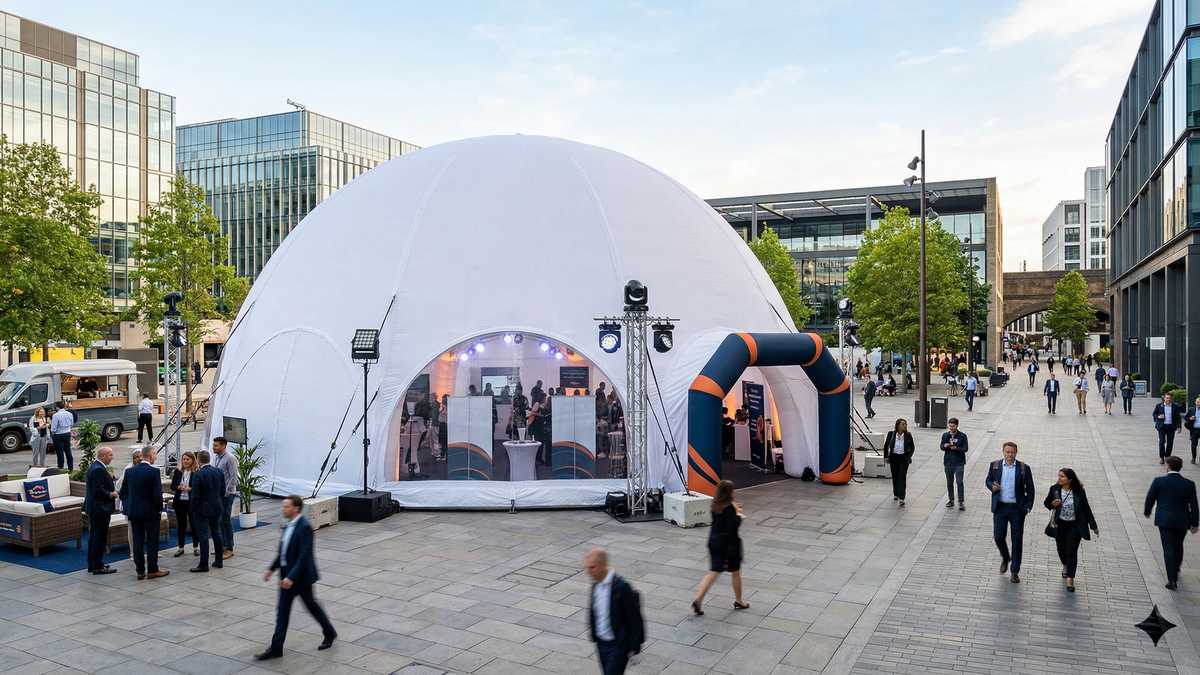
The bubble house inflatable sits in a sweet spot between novelty and function. It's not a bounce house. It's not a tent. It's a photo-ready environment that clients will pay a premium for — especially wedding and corporate planners who need that one "wow" element. If you already carry inflatable bouncers or inflatable tents, adding a bubble house to your fleet is a logical next move.
Commercial Use Cases That Actually Book
Weddings and Engagement Shoots
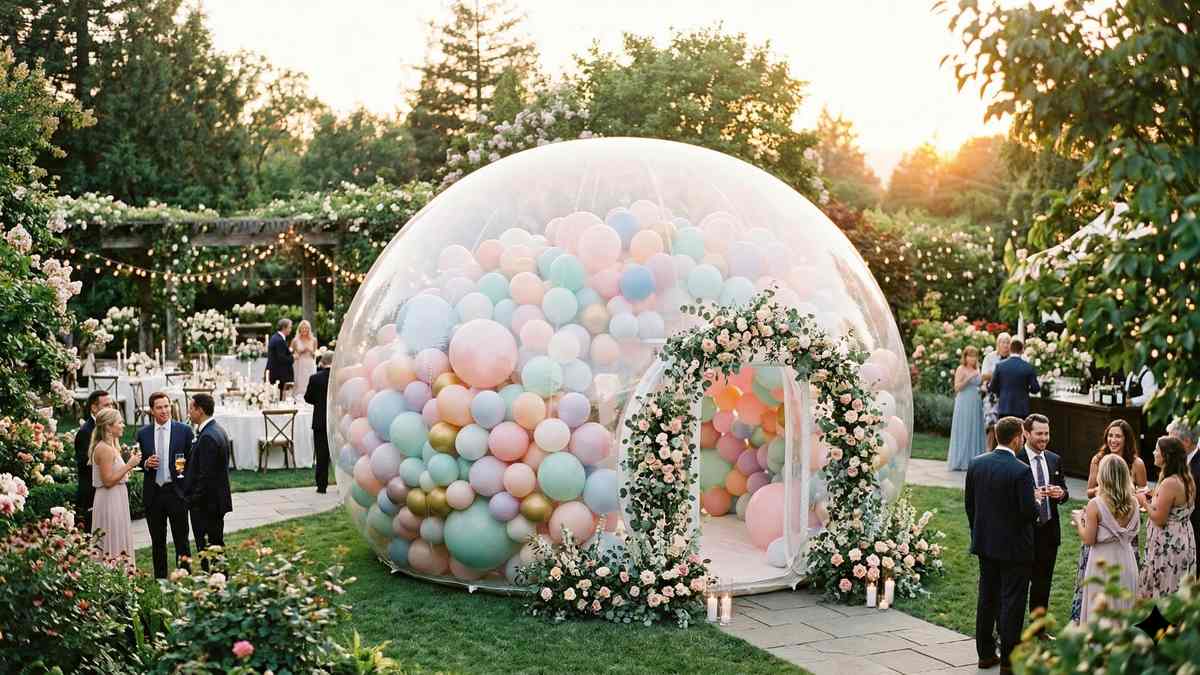
This is the money maker. A bubble balloon house filled with white, gold, or blush-toned balloons gives photographers a controlled-light environment that produces stunning images. Couples pay $300–$800 per session depending on your market. Some rental operators pair the bubble house with LED lighting strips for evening receptions — the transparent shell catches and diffuses light beautifully.
Birthday Parties and Kids' Events
Kids lose their minds over a blow up bubble house filled with colorful balloons. It's interactive without the liability concerns of a bounce structure, since children aren't jumping. Parents love it because the photos are irresistible. If you already rent interactive games and inflatable combos, the bubble house rounds out your party packages nicely.
Mall Pop-Ups and Brand Activations
Retail spaces and brand marketers have caught on. A clear dome with branded balloons inside creates a selfie station that markets itself — every guest who posts a photo becomes an unpaid advertiser. Mall operators book these for holiday activations, product launches, and seasonal installations. The footprint is small enough for indoor atrium spaces, and setup takes under 30 minutes.
Structure, Materials, and What to Look For
Construction Basics
A commercial-grade bubble house inflatable is a sealed-air or continuous-blower dome made from transparent PVC or TPU film. The better units use 0.6mm–1.0mm crystal PVC for the clear panels and reinforced PVC or Oxford cloth for the base and entry tunnel. TPU versions cost more but resist yellowing from UV exposure — worth considering if you plan outdoor deployments.
The standard blow up bubble tent runs on a single continuous-flow blower (typically 370W–750W). The blower maintains internal pressure and keeps the dome rigid. No blower, no structure. That's the single most important thing to understand about operations — always carry a backup blower.
Materials Comparison
| Feature | Crystal PVC | TPU |
|---|---|---|
| Transparency | High (new), yellows over time | High, UV-resistant |
| Durability | Good — 2-3 year rental life | Excellent — 4+ years |
| Weight (10ft dome) | ~25 kg | ~20 kg |
| Repair | Heat weld or PVC cement | Heat weld |
| Cost | $400–$800 | $800–$1,500 |
| Best For | Indoor-primary fleets | Mixed indoor/outdoor use |
PVC is the industry default and perfectly fine for indoor-heavy operators. If you're doing three outdoor events a week in direct sun, spend the extra on TPU. Simple as that.
Sizing, Capacity, and Choosing the Right Model
Bubble houses come in a narrower size range than standard inflatables, but picking the right diameter matters for your target bookings.
| Diameter | Floor Area | Capacity | Best Use |
|---|---|---|---|
| 8 ft (2.5m) | ~50 sq ft | 2–3 people | Solo photo shoots, kids' portrait sessions |
| 10 ft (3m) | ~78 sq ft | 4–6 people | Family photos, small birthday parties |
| 13 ft (4m) | ~132 sq ft | 8–10 people | Wedding groups, brand activations, multi-person setups |
| 16 ft (5m) | ~200 sq ft | 12–15 people | Large events, walk-in installations |
Most rental companies start with the 10ft model. It handles the majority of bookings — couples shoots, small birthday groups, corporate headshots. The 13ft is your upgrade tier when clients want a bubble house large enough for a bridal party or a product display setup. Stocking both sizes gives you pricing flexibility without overcommitting on inventory.
A bubble balloon house in the 10ft range typically takes 200–400 balloons to fill for that lush, immersive look. The 13ft model needs 500–700. Factor balloon costs and inflation time into your rental pricing — most operators charge a balloon package fee on top of the structure rental.
Procurement: Finding the Right Bubble House for Sale
If you're searching for a bubble house for sale, you'll find the market split between mass-produced Amazon-grade units and commercial-grade manufacturer-direct options. The price difference is real, and so is the quality gap. Consumer-grade domes use thinner PVC (0.3mm), lighter zippers, and blowers that burn out after 50 hours. For rental use, go commercial or don't bother.
What to Ask Your Supplier
- Material thickness — 0.6mm PVC minimum for commercial use
- Custom printing — Can they add your logo to the entry tunnel or base? Most factories offer this at minimal upcharge on orders of 3+
- Lead time — Standard is 15–25 days from order confirmation. Rush orders (7–10 days) usually carry a 15–20% premium
- MOQ — Most manufacturers require 1–2 units minimum for stock sizes. Custom dimensions or printing may require 3–5 units
- Spare blower — Always order at least one backup. Confirm voltage compatibility for your market (110V vs 220V)
Anyone starting a rental business should budget for two bubble houses from the outset. One unit means one booking at a time. Two units means you can cover overlapping Saturday events — which is where the real revenue sits.
Risk Management and Daily Operations
Wind and Weather
A bubble tent inflatable is essentially a lightweight dome held up by air pressure. Wind is the primary threat. Most manufacturers rate their units for 15–20 mph winds maximum, but honestly? Pull it down at 15 mph. The transparent panels act like sails, and a gust can drag the entire structure — anchored or not. Sandbag anchoring (minimum 4 points) is non-negotiable for outdoor setups. Stakes alone won't cut it on hard surfaces.
Ground Protection and Setup
Always lay a ground tarp under the dome. Grass, gravel, even polished venue floors — a tarp prevents punctures and keeps the base clean. Indoor setups on hard floors also need non-slip matting inside the dome. Guests in heels on a PVC floor is a liability waiting to happen.
Cleaning and Storage
Transparency is the product's entire value proposition, so cleaning matters more than with any other inflatable. Wipe down the PVC after every event with a mild soap solution — never use alcohol-based cleaners, which cloud the material. Store the blow up bubble house completely dry and loosely folded. Tight folding creates permanent crease marks that catch light and ruin the clear dome effect. A dedicated storage bag with desiccant packets extends material life considerably.
For operators already managing a fleet of inflatables, the maintenance routine mirrors what you do for other PVC structures. The growth potential in inflatable rentals keeps expanding, and bubble houses fit cleanly into an existing care workflow.
Frequently Asked Questions
How long does a bubble house last with regular commercial use?
A commercial-grade PVC bubble house typically lasts 2–3 years with weekly rentals. TPU versions push that to 4+ years. The blower motor usually gives out before the shell does — replace blowers annually if you're running 3+ events per week. Keeping a spare on hand prevents lost bookings.
Can you use a blow up bubble tent outdoors year-round?
You can, with limitations. The transparent shell creates a greenhouse effect in direct sun — interior temps can climb 10–15°F above ambient within 20 minutes. Summer outdoor use requires a small fan or AC unit ducted in. Winter use is actually a strong selling point, since the enclosed dome retains warmth and blocks wind while still looking dramatic.
How many balloons do I need to fill a bubble house?
For the popular 10ft diameter size, plan on 250–400 balloons for a full, photo-ready look. Use a mix of sizes (5", 11", and 18") to create depth and fill gaps. Latex balloons are standard, but some operators use a mix of latex and chrome balloons for metallic accents. Budget $40–$80 in balloon costs per setup depending on your supplier.
What's the difference between a bubble house and an inflatable tent?
Functionally, a bubble house is a type of inflatable tent — but the market treats them differently. Traditional inflatable tents use opaque or semi-opaque fabric and serve as shelters or canopies. A bubble house uses fully transparent PVC or TPU panels and functions as a photo environment or experiential installation. The pricing model differs too: bubble houses command higher per-hour rental rates because they're a visual attraction, not just a covering.
Is a bubble house safe for small children?
Yes, provided supervision is in place. There's no jumping or bouncing involved — children simply walk in and play among balloons. The main safety concern is the entry/exit tunnel, where smaller kids can trip. Keep the blower cord secured and out of foot traffic. Some operators set a minimum age of 3 for unattended entry, which is a reasonable policy for insurance purposes.
Where This Category Is Headed
The bubble house isn't a fad product. It's a format — a customizable, photogenic environment that event clients will keep requesting as long as social media drives event spending. The operators making the most money with them aren't treating the dome as the product. They're selling the experience package: dome plus balloons plus lighting plus a photographer referral. That's a $500–$1,200 booking versus a $150 bare rental. Build the package, price the package, and the bubble house pays for itself inside a month.